Hold and Kill: a new approach to disabling BRD4
For the longest time many companies have been thinking of chemical proximity approaches in the context of molecular glues, protein degraders, and even glue degraders. These form just a small part of what’s possible with this approach, however. As Hinshaw and colleagues at Stanford noted in a review earlier this year:
“Targeted protein degradation has become a predominant proximity-dependent therapeutic mechanism. We contend that there are many yet-unexplored pharmacologically useful mechanisms that can be triggered by chemically induced protein interactions.”
There are plenty of other potential uses, including protein relocalisation in different cellular compartments, for example. The field has expanded to include numerous chimeras capable of modulating protein activity rather than abundance:
- PHOTACs and phosphatase-recruiting molecules control phosphorylation states
- TRANSTACs recruit transcriptional machinery to specific genomic loci.
- Membrane-directed approaches like PROTABs target cell surface proteins using antibody-E3 ligase fusions
- LYTACs route extracellular proteins to lysosomal degradation.
- LYMTACs repurpose lysosomal membrane proteins for target protein relocalisation (and degradation)
- AUTOTACs leverage autophagy pathways as an alternative clearance mechanism.
And so on. Beyond enzymatic recruitment, proximity-inducing molecular glues and dimerisers can create synthetic protein interactions, scaffold signaling complexes, or trigger phase separation, demonstrating controlled proximity itself is a powerful tool for biological intervention independent of proteolysis.
We can see proximity-targeting chimeras have evolved far beyond their origins in protein degradation. While PROTACs hijack the ubiquitin-proteasome system to degrade proteins, newer modalities such as RIBOTACs selectively target RNA by recruiting ribonucleases, and relocalisation chimeras spatially control protein function by shuttling targets between cellular compartments.

Fall Colors in Boston
These novel approaches demonstrate how induced proximity can manipulate disease targets without destroying them.
As the Fall cancer conference season continues apace, this weekend saw the bi-annual AACR-NCI-EORTC meeting being held in Boston.
One of the presentations was particularly intriguing with regards to a novel way of using chimeras to induce disease modulation.
Let’s take a look at what Halda Therapeutics are up to with their first Regulated Induced Proximity Targeting Chimera (RIPTAC) in the clinic. They presented data on HLD-0915 in men with previously metastatic castration-resistant prostate cancer (mCRPC)…
To continue reading our latest highlights on oncology new product development including commentary and analysis BSB subscribers can log-in or you can click to access the content.
This content is restricted to subscribers




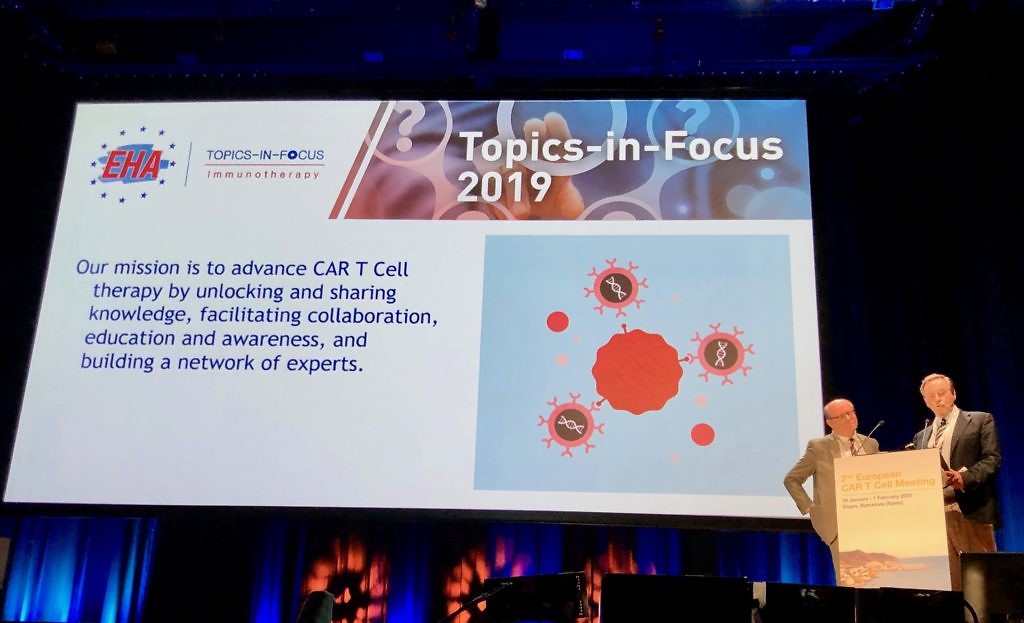
 In our latest expert interview, we depart from the usual focus on one of two particular or narrow topics and indulge in a more wide ranging discussion to explore a variety of issues facing the IO field and look at them from the perspective of a researcher who is experienced in working with antibodies in various forms.